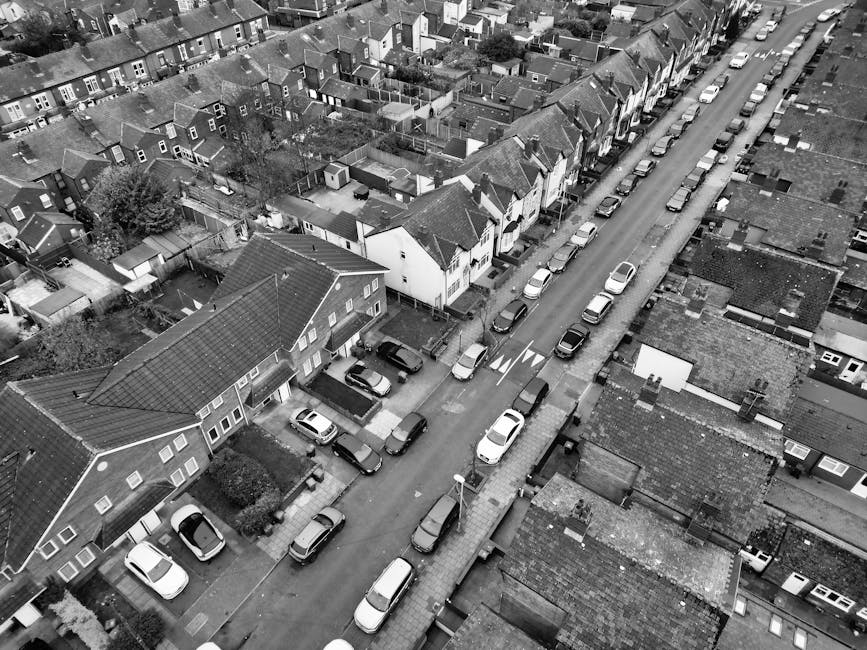
Queens Park removals Salusbury Road narrow street solutions: a practical guide for moving on tight London streets
If you have ever tried to move a sofa, wardrobe, or stack of boxes down Salusbury Road at the wrong time of day, you already know the problem. Queens Park removals Salusbury Road narrow street solutions are not just a nice-to-have; they are often the difference between a move that feels calm and one that feels like a slow-motion traffic jam with a mattress in the middle of it. In this guide, we will look at how to handle tight access, busy pavements, parked cars, awkward turns, and the real-world details that make removals in this part of London a little more demanding than the average job.
We will cover planning, equipment, vehicle choice, packing, timing, and the little things people miss until moving day. Truth be told, the street is rarely the only challenge. It is the combination of access, timing, neighbours, and how much you can realistically carry without blocking everything. Let's make it easier.
Why Queens Park removals Salusbury Road narrow street solutions Matters
Queens Park has a very London kind of moving problem: attractive streets, older housing stock, limited loading space, and traffic that can change mood in a few minutes. Salusbury Road, in particular, can make simple removals feel more complicated because the road environment affects every stage of the job. A moving van may be able to reach the area, but can it stop safely? Can the crew unload without blocking pedestrians? Will the lift be available? Can a bulky item be carried without scraping walls or holding up the queue of cars behind it?
That is why narrow street solutions matter. They help you plan the move around the street rather than forcing the street to work around the move. In practical terms, this means choosing the right vehicle, staggering the loading process, protecting hallways, and using routes and arrival windows that reduce conflict. A good removals plan in Queens Park is less about brute force and more about judgement. A patient, tidy approach usually wins.
There is also a trust element. People want to know their belongings will get out safely, their neighbours will not be unnecessarily inconvenienced, and the job will finish without drama. That is especially true if you are moving from a flat, a terraced house, or a mixed-use building where access is already tight. If you are comparing service options, pages like home moves and house removalists can help you understand how a removals team handles domestic moving work in more standard settings before adapting it to tougher access.
How Queens Park removals Salusbury Road narrow street solutions Works
A sensible narrow street move starts before the van arrives. The team reviews the property layout, the likely walking distance from vehicle to front door, the width of access points, and any awkward features such as steps, narrow staircases, low railings, or a steep kerb. If the plan is solid, the actual moving day feels quieter. Not easy, necessarily. Just quieter.
In a real-world Queens Park setting, the solution often comes down to five practical choices:
- Selecting the right vehicle size so the street is not crowded by an oversized truck that cannot park neatly.
- Planning arrival time to avoid school runs, peak traffic, or the busiest shopping periods on and around Salusbury Road.
- Reducing carry distance by positioning the vehicle carefully and keeping the load sequence efficient.
- Using the right handling equipment such as blankets, trolleys, straps, and protective coverings.
- Breaking the move into phases so fragile and bulky items are not rushed through a cramped space all at once.
For smaller loads or jobs where speed and flexibility matter, a service such as man and van or man with van is often a better fit than sending in a larger vehicle. That is not about being underpowered. It is about being proportionate to the street and the load.
For larger or mixed-property jobs, vehicle capacity matters more. A moving truck or removal truck hire option may be appropriate, but only if access has been checked properly. The wrong vehicle in a narrow street can make a small move feel like a logistics puzzle nobody asked for.
Key Benefits and Practical Advantages
The most obvious benefit of a narrow street solution is safety. But there are several other advantages that people only notice once the move is underway.
- Less risk of damage to furniture, doors, hallways, and vehicle bodywork.
- Better traffic flow for residents, neighbours, and passing drivers.
- Less stress for you because the move is planned around the street rather than improvised on the day.
- More predictable timing since the crew is not constantly moving vans around or waiting for access to clear.
- Fewer awkward interruptions when the team has already thought through parking, carrying distances, and building entry.
There is also a quieter but important benefit: good relations with neighbours. Nobody wants to start moving day by blocking bins, clip-clopping up the pavement, and causing a lot of huffing from the flats opposite. A careful removals setup keeps people on side, which can make the day feel a lot smoother.
Expert summary: In tight parts of Queens Park, the best removals plan is usually the one that reduces vehicle footprint, shortens the unload route, and keeps the crew moving in a clear sequence. Small gains add up fast.
If the move includes office equipment or business stock, a more structured approach may be needed. In that case, commercial moves and office relocation services are useful reference points because they reflect the extra coordination often needed when timing and access are both tight.
Who This Is For and When It Makes Sense
This kind of moving support is especially relevant if you are dealing with one or more of these situations:
- A flat or maisonette on a narrow residential road
- Limited or no driveway space
- Shared access with neighbours
- Bulky furniture that will not easily turn corners
- A move that must happen within a short time window
- Items needing packing, wrapping, or dismantling before loading
It is a strong fit for renters, homeowners, landlords arranging a tenancy handover, and small businesses moving stock or equipment out of a tight location. It also makes sense if you simply do not want to gamble on whether a larger vehicle will fit. Sometimes the wisest move is the one that looks modest on paper but saves hours in practice.
If you are only moving a few items, using a service such as furniture pick up can be a more practical option than booking a full-scale removal. That is especially true if one piece is awkward, heavy, or needs careful handling through a narrow hallway. A small job can still go very wrong if the item is oversized. Ask anyone who has tried to pivot a wardrobe halfway down a Victorian staircase. Not fun.
Step-by-Step Guidance
If you want a move on Salusbury Road to run well, work through the process in order. Skipping steps is where most problems begin.
- Assess the access
Look at the road width, parking availability, building entry, stairways, and the route from van to front door. If the vehicle cannot stop safely or the carry is too long, the plan needs adjusting. - List the items by size and fragility
Separate bulky furniture, boxed items, fragile belongings, and anything that must be dismantled. This helps with load order and prevents slowdowns later. - Choose the right moving method
A smaller vehicle may suit a narrow street, while larger loads may need more coordination. The key is fitting the method to the street, not forcing the street to fit the method. - Pack for the carry, not just for storage
Boxes should be stackable, sealed properly, and easy to identify. Heavy items belong in smaller boxes. It sounds obvious, yet it goes wrong all the time. - Protect the property
Use covers for floors, bannisters, and door frames where needed. This matters more in tight homes because one awkward corner can do damage quickly. - Set a sensible timing window
Avoid the noisiest or busiest parts of the day if you can. Early starts can work well, but only if everyone is ready and not half-awake with a kettle still boiling. - Load in the right order
Place heavier and less fragile items first, then build around them. Keep the essentials accessible so you are not hunting for the kettle at 9 p.m. - Keep one person focused on direction
Even small moves benefit from a single point of coordination. Too many opinions in a stairwell and, well, you know how that goes.
If you need packing support as part of the move, packing and unpacking services can save a huge amount of time and reduce breakage. For businesses, keeping everything labelled clearly is not just tidy; it is the difference between opening on time and opening with one printer still missing.
Expert Tips for Better Results
Here is where a bit of moving experience really pays off.
1. Measure the awkward pieces twice. People often measure the room and forget the turn into the hallway or the angle at the stairwell. That is where items get stuck, not in the spacious parts.
2. Keep a "first out, last in" bag. Put keys, documents, chargers, tea bags, medicines, and the kettle lead in one bag. It sounds small, but at the end of the day it feels like gold.
3. Use soft protection early. Moving blankets, corner guards, and floor protection are easier to fit before the rush begins. Once the van doors are open and everyone is carrying, it gets messy fast.
4. Plan for neighbours and pedestrians. A quick warning, a tidy loading pattern, and a calm tone can help more than people realise. Narrow streets can magnify irritation very quickly.
5. Keep bulky items grouped by exit route. If one item needs a different path, separate it before the team starts. Nothing slows things down like discovering a sofa has to go out through the back after the front route has already been cleared.
One more practical thought: if the move includes commercial stock, equipment, or heavier office items, the planning needs to be a touch more formal. The category of the job matters. That is why people often compare options across domestic and business services before booking the right support.
Common Mistakes to Avoid
Most moving problems in narrow streets are preventable. The same mistakes show up again and again, usually because people underestimate how tight access changes the whole job.
- Booking a vehicle that is too large for the street or parking conditions.
- Assuming the route from van to door is straightforward without checking steps, rails, or tight corners.
- Packing heavy boxes too full, which makes them unsafe to carry and miserable to stack.
- Ignoring weather. A wet morning in London can make pavements and stairwells slippery in a hurry.
- Leaving dismantling until moving day, which tends to create delays and unnecessary stress.
- Not preparing essentials separately, then rummaging through boxes while everyone stands around waiting.
- Underestimating unloading time, especially where parking or access is limited.
There is a slightly funny but painful pattern here: people often spend weeks planning the new place and about twelve minutes thinking about the old one. The old place is the tricky bit. That is where the van has to fit, the furniture has to turn, and the boxes have to come out without causing a scene.
Tools, Resources and Recommendations
You do not need a warehouse full of kit, but the right basics make a noticeable difference. For Queens Park narrow street moves, the most useful items tend to be:
- Removal blankets and furniture covers
- Strong tape and labels
- Rope or load straps
- Hand trolleys and dollies for heavier items
- Floor protection for hallways and landings
- Basic toolkit for dismantling beds, tables, and shelving
- Marker pens for room-by-room labelling
If you are moving on a tighter budget or need to move only a handful of pieces, a flexible vehicle option such as man and van is often the most efficient starting point. If the job is bigger and the vehicle matters more than the labour, removal truck hire can be a stronger fit. The best choice is not always the biggest one. It is the one that causes the least friction on the day.
For anyone wanting to understand the wider service picture, the company's about us page can be a useful place to start, while contact us is the sensible next step when you want to talk through access, timing, or a slightly awkward load. The details matter. They really do.
Law, Compliance, Standards, or Best Practice
Moving in Queens Park usually does not involve complicated legal issues, but there are still sensible UK norms to follow. For example, loading should not block public access more than necessary, vehicles should be parked safely and considerately, and crews should take reasonable care with belongings and property. If a building has shared entrances, lifts, or communal areas, it is common sense to respect building rules and keep noise and obstruction to a minimum.
There may also be practical expectations around insurance, handling, and care. It is wise to ask what is covered, how fragile items are treated, and whether the team can help with dismantling or reassembly. If you are arranging a business move, you may also need to consider access arrangements for staff, delivery schedules, and any building management instructions. Nothing dramatic, just the usual grown-up moving stuff that saves headaches later.
Best practice usually means three things: plan access carefully, protect property properly, and communicate early. That sounds simple because, honestly, it is simple. The hard part is doing it before moving day rather than during it.
Options, Methods, or Comparison Table
Different moving methods suit different types of Queens Park jobs. Here is a simple comparison to help with decision-making.
| Option | Best for | Strengths | Limitations |
|---|---|---|---|
| Man and van | Small to medium moves, quick access jobs | Flexible, good for narrow streets, often efficient | Limited capacity for larger households |
| Man with van | Single-room moves, furniture, lighter household loads | Practical, adaptable, usually easier to position on tight roads | Not ideal for major multi-room moves |
| Moving truck | Larger domestic or business moves | More load space, fewer trips, good for complex inventories | May be harder to park or manoeuvre in narrow streets |
| Removal truck hire | Moves needing vehicle control and high capacity | Useful where a planned load strategy is needed | Requires careful access planning and proper coordination |
For many Salusbury Road situations, the best answer is a compromise: enough vehicle capacity to avoid repeated trips, but not so much vehicle size that the street becomes the enemy. That middle ground is often where the savings are, too.
Case Study or Real-World Example
Imagine a couple moving out of a first-floor flat near Salusbury Road. They have a bed, two wardrobes, a dining table, and about thirty boxes. The road is narrow, parking is limited, and there is no room to leave a large vehicle sitting for long. They also have a neighbour with a pram, so blocking the pavement would be asking for trouble.
The solution is straightforward but disciplined. The movers arrive with a van sized for the load, not oversized out of habit. The couple has already dismantled the bed and emptied the wardrobes. Boxes are labelled by room, and the fragile kitchen items are packed separately. Furniture blankets protect the door frames and bannisters. Instead of trying to carry everything in one heroic burst, the crew loads the heaviest items first and keeps the walking route clear.
The result is not flashy. And that is the point. No damage, no shouting, no pointless waiting. A little patience, a little planning, and the move is done without turning Salusbury Road into a stage set for moving-day chaos. That sort of result is what people actually want.
Practical Checklist
Use this checklist as you prepare for a narrow street move in Queens Park:
- Measure major furniture and note any tight corners or stair turns
- Confirm whether the vehicle can stop safely near the property
- Decide whether a smaller van or larger truck is the better fit
- Dismantle beds, shelving, and other bulky items in advance if possible
- Pack fragile items securely and label them clearly
- Keep essentials in one separate bag or box
- Protect floors, bannisters, and door frames
- Plan the move around busier traffic periods where you can
- Let neighbours know if access may be briefly affected
- Check that keys, paperwork, and phone chargers are easy to reach
- Leave a little buffer time for delays, because streets do not always behave
Quick takeaway: if the access is tight, the move should become more organised, not more rushed. That one shift in mindset saves a surprising amount of stress.
Conclusion
Queens Park removals Salusbury Road narrow street solutions are really about matching the move to the street. Once you accept that narrow access changes everything, the rest becomes much easier to manage. Choose the right vehicle, pack in a way that supports the carry, protect the property, and keep the timeline realistic. Do that, and the job becomes far less stressful than it first looks.
Whether you are moving a single item, a full household, or a business load, the same principle applies: plan for the street you actually have, not the one you wish you had. That is how smooth removals happen in London. Quietly, carefully, and with a bit of patience.
Get a free quote today and see how much you can save.
Frequently Asked Questions
What makes Salusbury Road removals difficult?
The main challenge is access. Narrow stretches, parked cars, pedestrian traffic, and limited stopping space can all affect how safely and efficiently furniture and boxes are moved.
Is a man and van better than a large removal truck in Queens Park?
Often, yes, for smaller or medium-sized moves. A smaller vehicle is usually easier to position on narrow streets, though larger jobs may still need more capacity.
How do I know which vehicle size I need?
Start with the volume of items, then think about access. If the load is modest but the street is tight, a smaller vehicle may be the smarter choice. If you have a full household, you may need a truck, but only if access allows it.
Should I dismantle furniture before moving day?
Usually, yes, if it is safe and practical. Beds, tables, and some wardrobes are much easier to move once dismantled, especially in a narrow stairwell or hallway.
Can removals teams help with packing?
Many can. If you need support, packing help is especially useful for fragile items, kitchens, or time-sensitive moves. It can make the day feel far less frantic.
What if my building has very tight stairs?
That is common in older London properties. The key is to measure carefully, protect the property, and make sure large furniture is assessed before moving day rather than discovered halfway up the stairs.
Are narrow street moves more expensive?
They can be, depending on the extra time, access difficulty, or vehicle planning involved. But a well-planned move often prevents costs caused by delays, damage, or extra trips.
How early should I book a move in Queens Park?
As early as you can, especially if the property has restricted access or the move must happen on a specific date. Early booking gives more room to plan vehicle choice and timing.
What is the best time of day for a narrow street removal?
Usually the quietest practical window, avoiding peak traffic where possible. The right time depends on the property, parking conditions, and how much loading space is available.
Can I move just one or two large items?
Yes. Smaller jobs are often well suited to flexible services such as furniture pick-up or a compact man and van arrangement, especially when access is tight.
What should I prepare before the movers arrive?
Have boxes sealed, furniture cleared where possible, valuables separated, and any dismantling finished. The more ready the property is, the smoother the loading process will be.
How do I avoid upsetting neighbours during the move?
Keep the route clear, limit noise where possible, avoid blocking entrances, and keep the loading process organised. A little courtesy goes a long way on a tight road.
Where can I learn more about the company and services?
You can review the company background on the about us page and contact the team through contact us if you want to discuss your move in detail.